
Five Common Installation Mistakes in ESFR Sprinkler Systems
Based on technical support and on-site acceptance experience, this guide identifies five recurring installation errors in ESFR sprinkler systems that lead to acceptance failures or system malfunction, along with their correct technical requirements.
King Panda Engineering Team
Product selection, submittal data and installation support for fire protection contractors and distributors
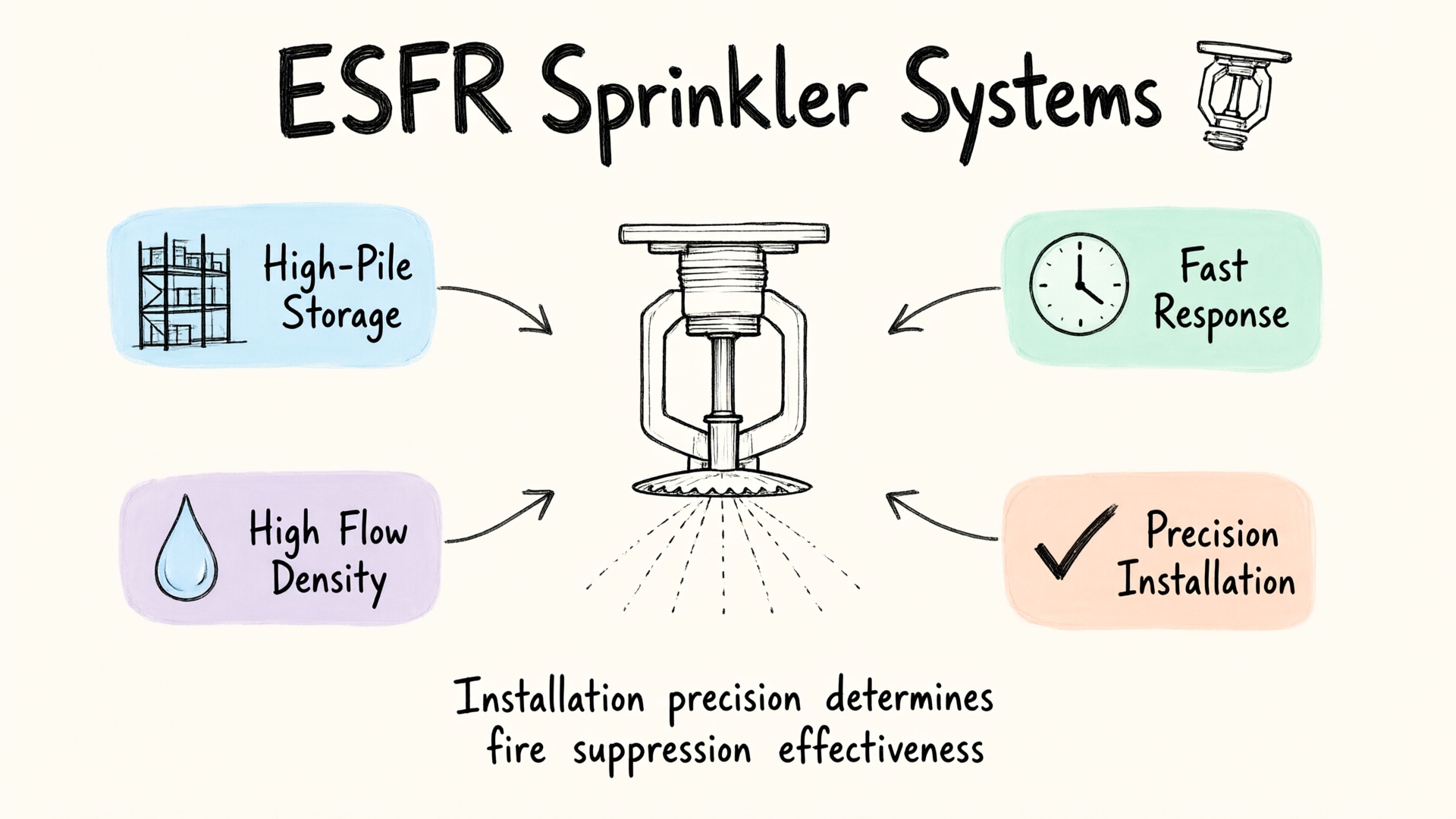
ESFR sprinkler systems play a critical role in fire protection for high-pile storage warehouses and high-hazard facilities. These sprinklers demand significantly higher response times and flow densities compared to standard sprinklers, and installation precision directly determines whether the system can effectively suppress fire in its early stages. Through our technical support and on-site acceptance inspections, we have identified several recurring installation errors by contractors that lead to acceptance failures or even system malfunction. The following outlines the five most common installation mistakes and their technical requirements.
| Mistake | Correct requirement |
|---|---|
| Deflector height outside the listing range | Confirm the minimum and maximum deflector distance for the model before layout |
| Spacing above the maximum allowable value | Set spacing from the UL Listed or FM Approved design manual, then measure after installation |
| Obstructions below the deflector | Complete MEP clash detection before construction and keep the coverage area clear |
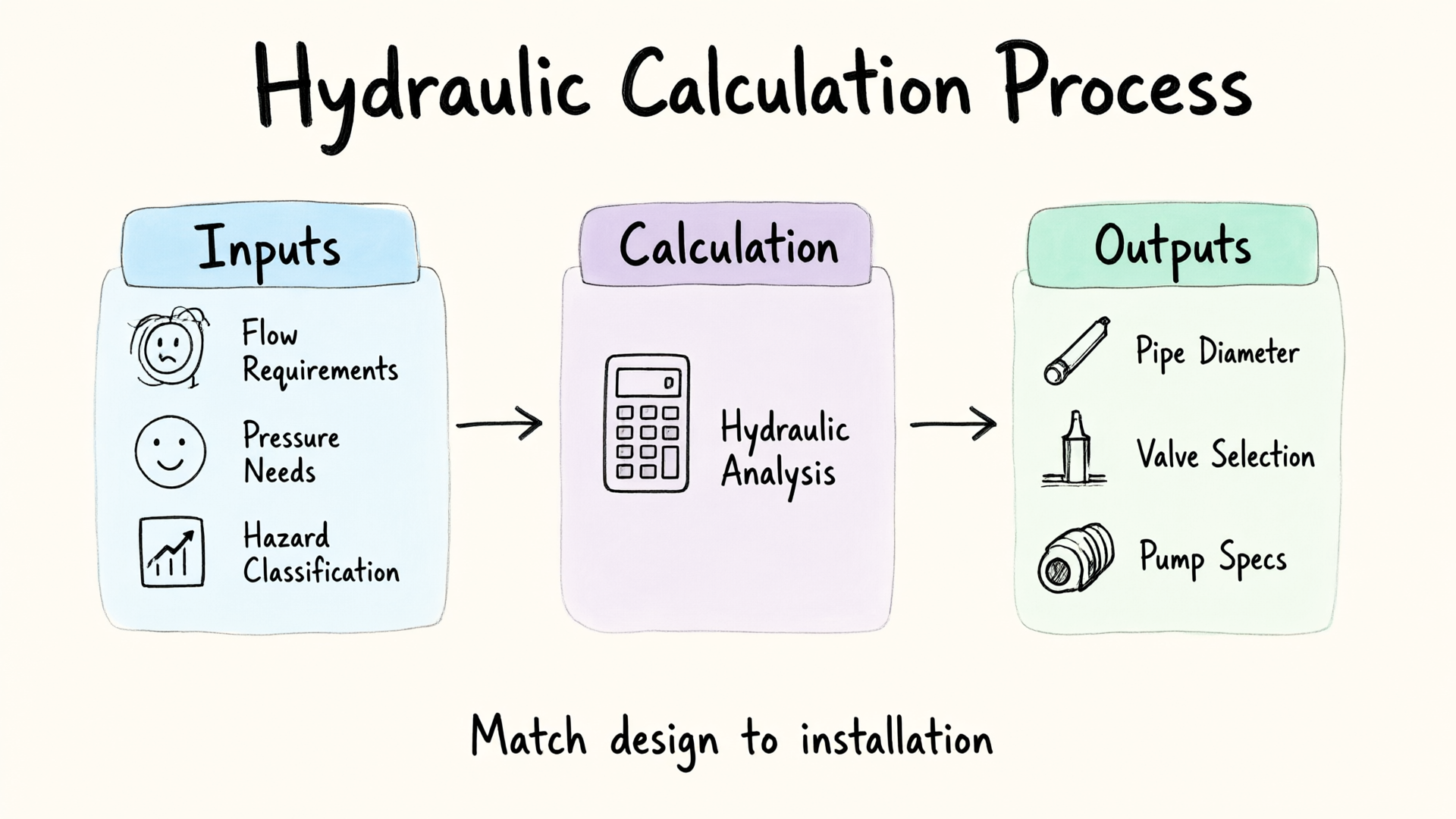
| Pipe diameter not matched to the hydraulic calculation | Size pipe, valves and pump from the completed hydraulic calculation |
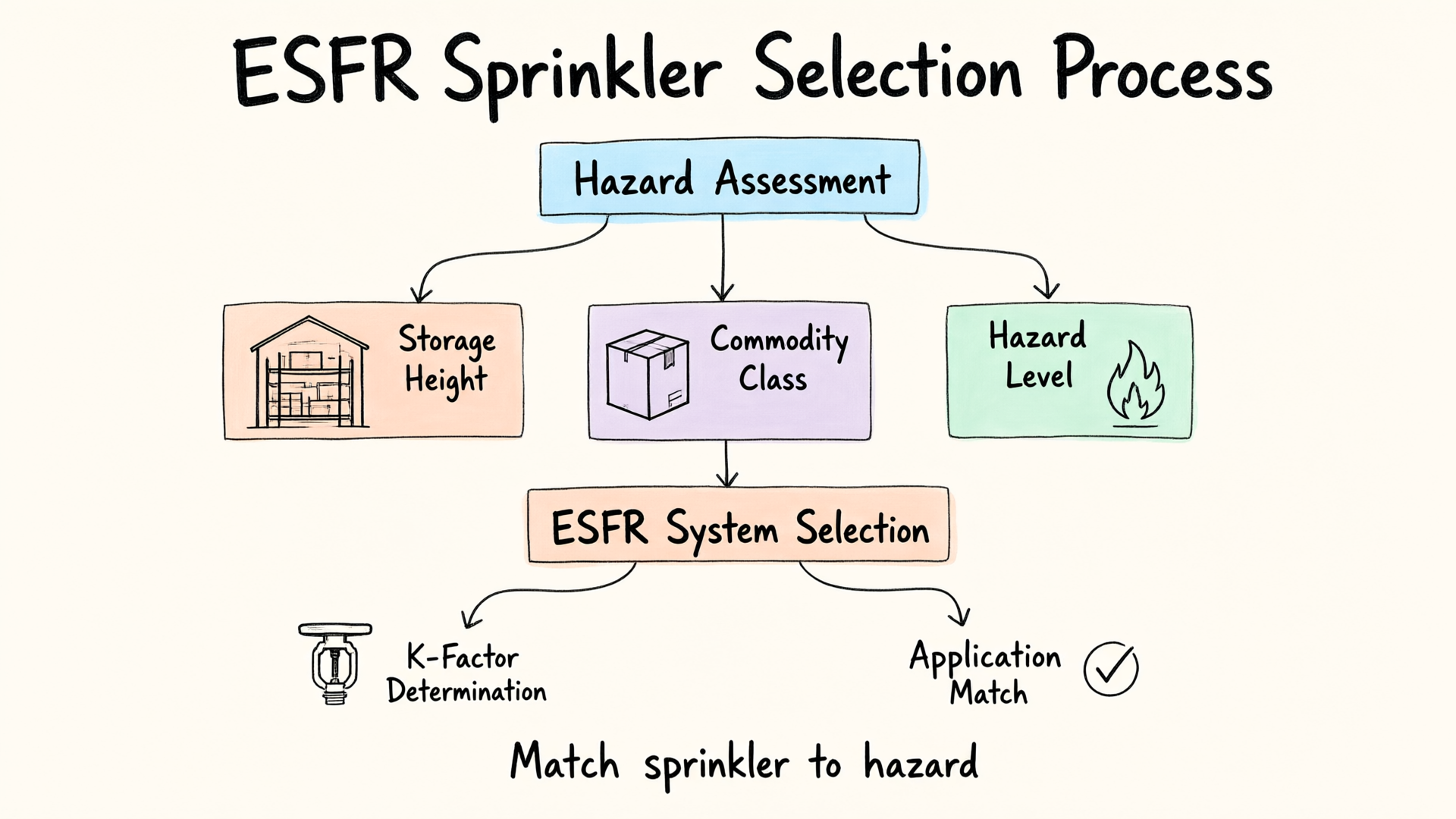
| Type selected without hazard classification | Confirm commodity class and storage height before selecting the sprinkler |
Mistake 1: Deflector Position Does Not Meet Installation Height Requirements
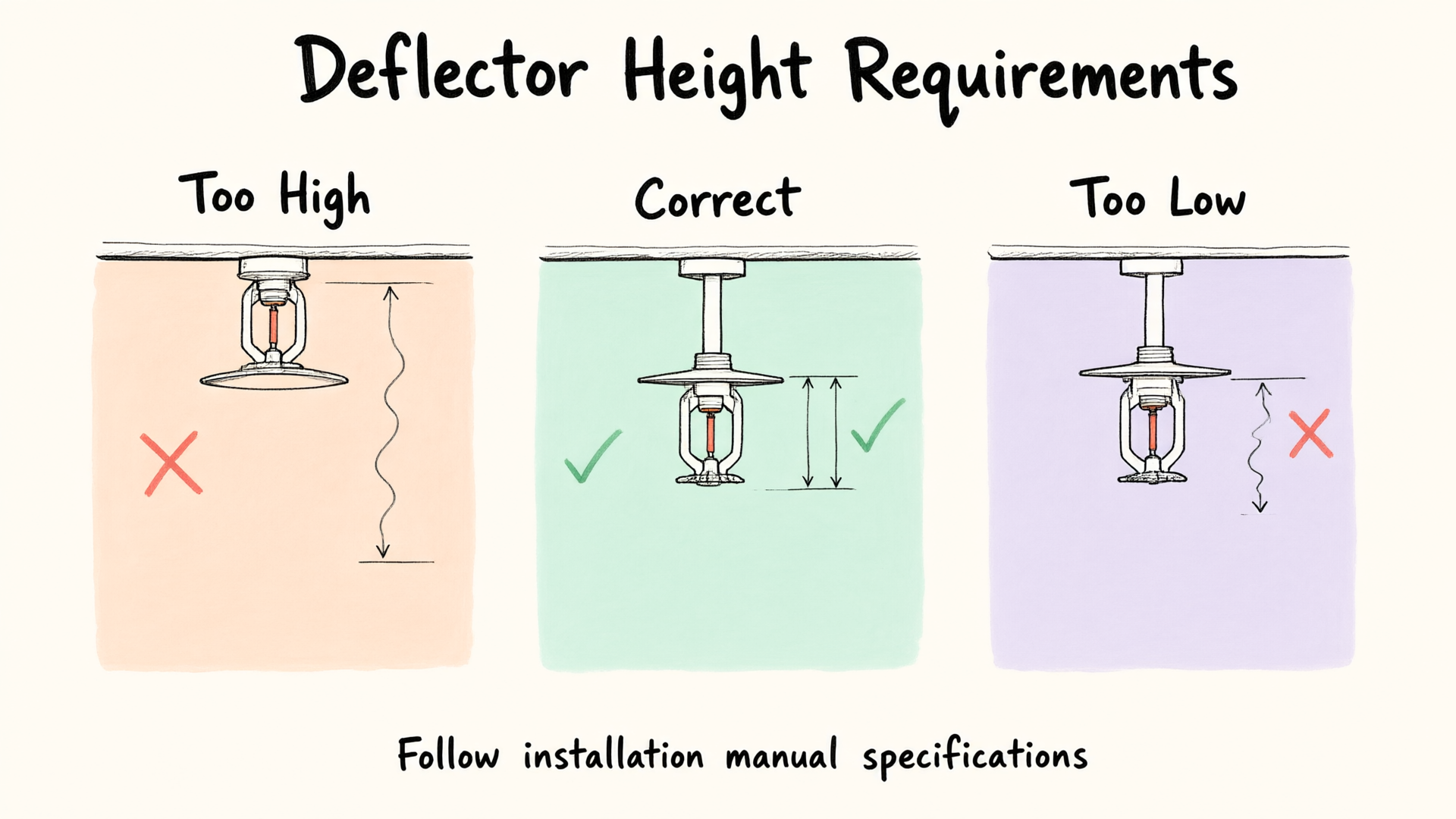
The distance between the ESFR sprinkler deflector and the ceiling is strictly regulated. For UL Listed ESFR sprinklers, standard installation heights typically require the deflector to remain within a specified range from the ceiling. Too high or too low will affect the sprinkler’s thermal response performance and water distribution pattern. Some contractors install ESFR sprinklers at heights based on conventional sprinkler practices, overlooking the specific requirements of ESFR sprinklers.
The correct approach is to consult the installation manual for the specific model before construction and confirm the maximum and minimum deflector height limits for that ESFR sprinkler model. This parameter must be incorporated into the comprehensive pipeline design during the on-site layout phase to avoid later adjustments.
Mistake 2: Sprinkler Spacing Exceeds Maximum Allowable Values
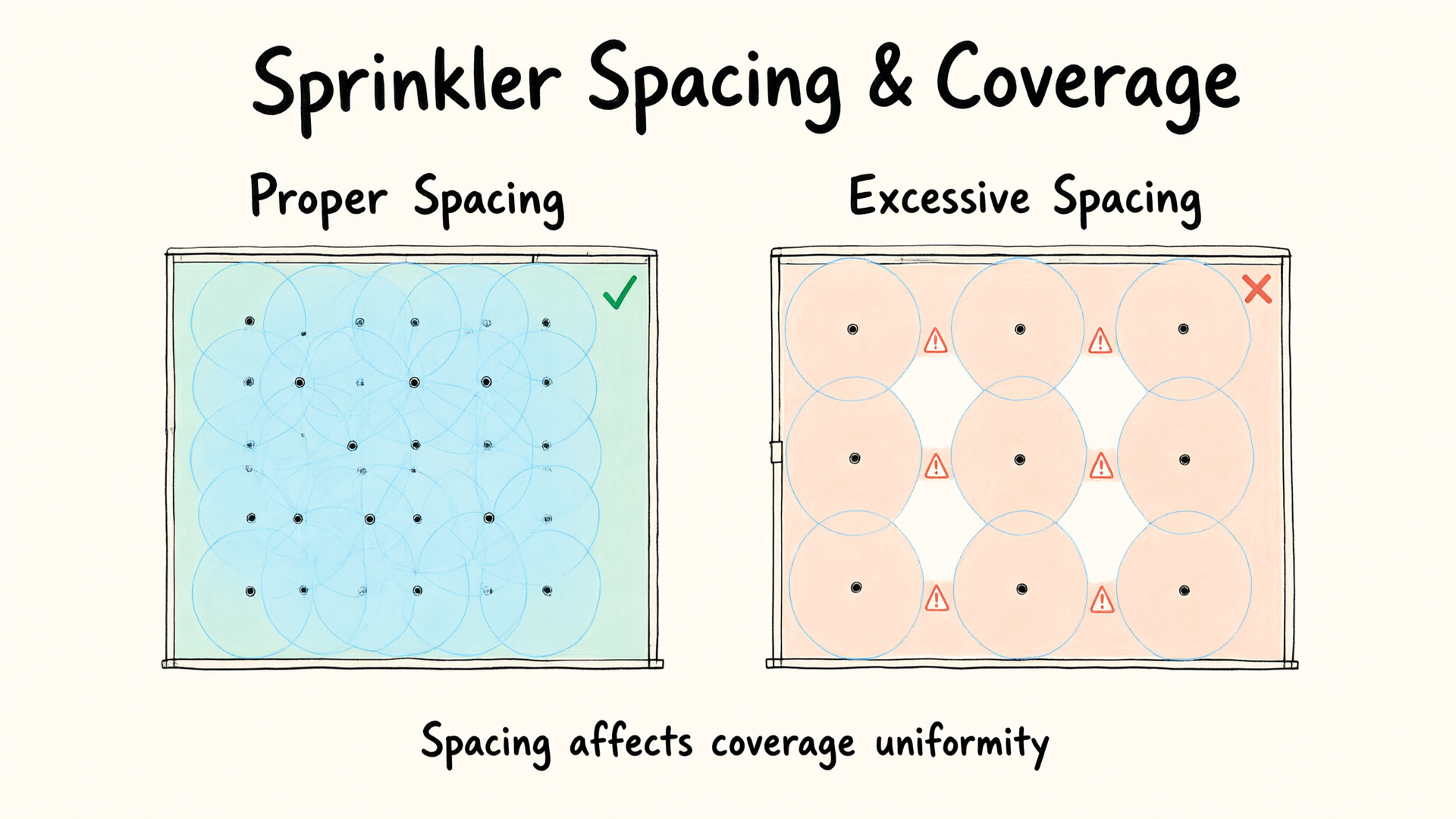
The protection area and maximum spacing of ESFR sprinklers differ fundamentally from standard sprinklers. The design logic of ESFR systems is to quickly suppress fire sources through high flow density. Once the sprinkler spacing exceeds the design value, coverage blind spots will appear within the protection area, and effective water curtain coverage cannot be formed when a fire occurs.
Contractors should strictly determine sprinkler spacing according to FM Approved or UL Listed design manuals during the detailed design phase and clearly mark this on construction drawings. After on-site installation, actual spacing should be measured floor by floor and verified against design values before acceptance. When deviation exceeds the allowable range, pipeline layout must be adjusted or additional sprinklers added.
Mistake 3: Obstructions Below Sprinklers Block Water Distribution
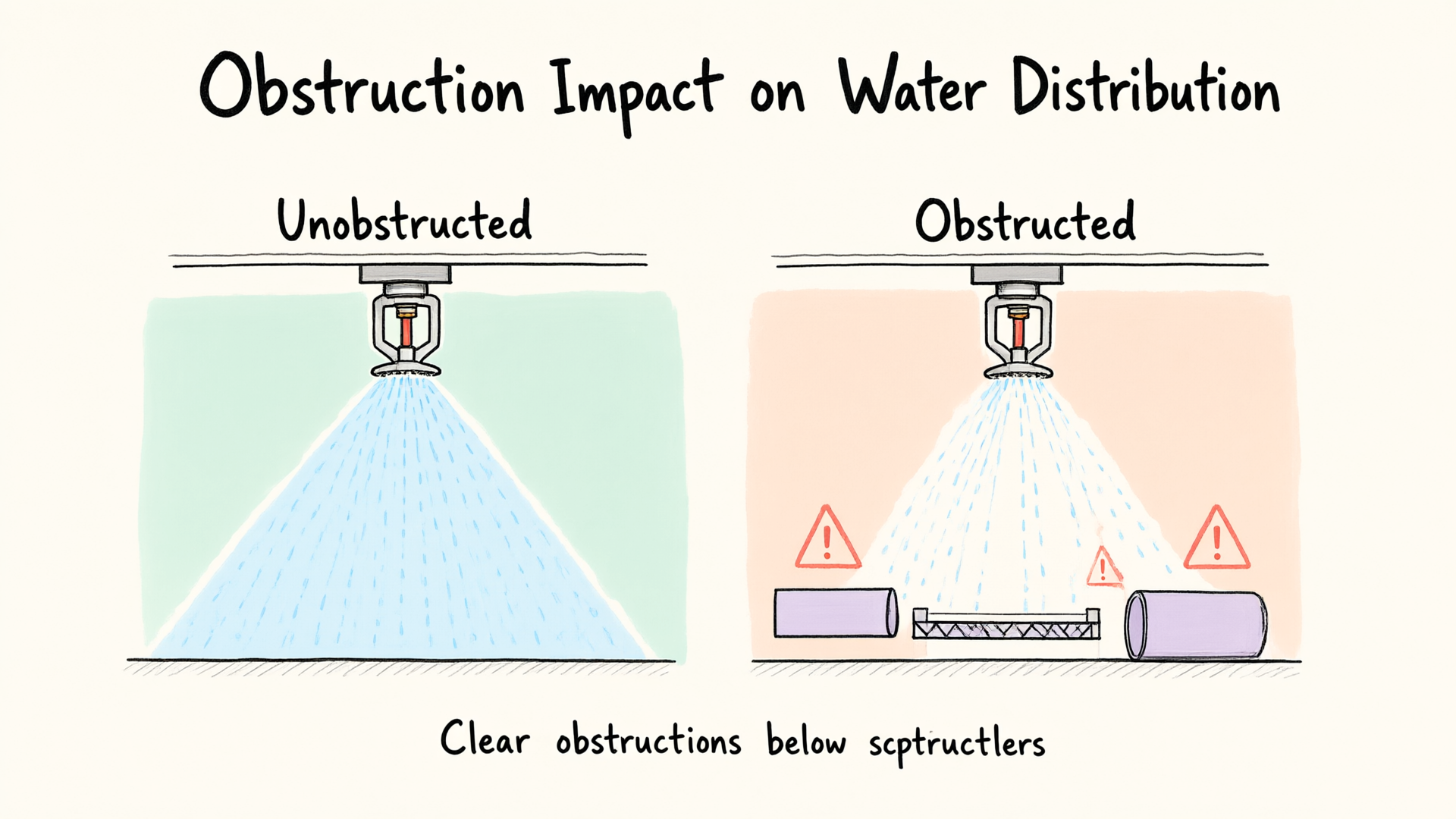
The water distribution pattern of ESFR sprinklers is extremely sensitive to obstructions below. Pipes, cable trays, ductwork, lighting fixtures, or any objects located below the sprinkler deflector can block water flow distribution, creating weak points in the protection area. Some projects fail to fully consider sprinkler coverage requirements during MEP coordination, resulting in non-compliance during later acceptance inspections.
Codes require that no obstructions exist within a certain range below the sprinkler deflector. The specific distance varies by sprinkler model and certification standard. Typically, clash detection for MEP pipelines must be completed before construction to ensure no obstructions within the sprinkler coverage area. For completed projects where obstruction issues are discovered, the obstruction positions must be adjusted or the sprinkler layout scheme changed.
Mistake 4: Hydraulic Calculation Does Not Match Pipe Diameter
ESFR systems have significantly higher working pressure and water flow requirements than standard sprinkler systems. Some contractors select pipe diameters based on conventional sprinkler experience, using undersized pipes that result in actual system flow and pressure failing to meet design requirements. Mismatch between hydraulic calculation parameters and on-site pipeline configuration is one of the common issues found during acceptance.
The correct process is to complete comprehensive hydraulic calculations during the detailed design phase and determine pipe diameter, valve selection, and pump parameters based on calculation results. Pipe diameter must not be arbitrarily changed or pipeline length reduced during construction. After system installation, hydrostatic pressure tests and flow tests should be conducted to verify that actual performance matches design parameters.
Mistake 5: Sprinkler Type Selection Does Not Match Hazard Classification
ESFR sprinklers are designed for specific high-hazard locations such as high-pile storage warehouses and high-rack storage systems. Some projects fail to accurately assess the hazard classification during the selection phase, choosing inappropriate sprinkler types or using ESFR sprinklers in locations that do not require such high protection levels, resulting in resource waste.
During the selection phase, NFPA or local fire codes must be followed to clearly identify the fire hazard classification, storage commodity class, and storage height of the location. Based on this assessment, determine whether an ESFR system is needed and which K-factor sprinkler to select. ESFR sprinklers with different K-factors are suitable for different protection scenarios, and selection errors will result in system acceptance failure.
Conclusion
The installation quality of ESFR sprinkler systems directly affects the effectiveness of fire protection. The five types of errors described above repeatedly appear in engineering practice, rooted in insufficient understanding of ESFR system specifics. Contractors should systematically study the technical requirements of relevant certification standards before construction and strictly control key parameters during detailed design and construction phases to avoid the cost and time losses associated with acceptance rework. We recommend that project teams communicate thoroughly with sprinkler manufacturers’ technical support teams before installation to ensure that design schemes and construction processes meet certification requirements.
Standards and sources
- NFPA 13, Standard for the Installation of Sprinkler Systems
- UL 199, Automatic Sprinklers for Fire-Protection Service
- FM Global Property Loss Prevention Data Sheets
Figures in this guide follow the sprinkler discharge equation Q = K√P. Final selection must be verified against the governing listing and the authority having jurisdiction for the project.
Need Help With Fire Protection System Selection?
Our engineering team can provide technical consultation for your warehouse fire protection project.
Contact Our Team